A majority of IMO member states can make the Net Zero Framework a reality this year
Last October the International Maritime Organization decided to delay a decision to adopt its Net Zero Framework (NZF) until November 2026 which increased uncertainty for governments and industry.
This was due to US opposition to the measure and threats of penalties, fees, visa restrictions and sanctions on officials who supported the NZF.
Despite its best efforts the US failed to kill the measure which was agreed last April, but the delay was certainly a major blow.
The NZF sets emissions intensity targets for ships. If those targets are not met, compliance fees must be paid. Ships that meet the strictest emissions targets which run on scalable green hydrogen derived fuels such as e-ammonia, e-methanol or e-methane will earn tradable credits and be eligible for financial rewards from a multibillion-dollar fund to stimulate the uptake of green fuels and support the energy transition in lower income countries.
The NZF is a truly global solution for a truly global sector that already represents a hard-fought compromise. This global approach creates a shared system that covers emissions from all international shipping: one set of rules that brings clarity for the industry, and a stronger signal to invest in new fuels and technologies.
A briefing this week from Femke Spiegelenberg of the Global Maritime Forum and Tristan Smith of the UCL Energy Institute written for the Getting to Zero Coalition concluded that among plausible scenarios for the future of this measure, the agreed NZF offers the best approach to minimise uncertainty and risk.
We at the Green Hydrogen Organisation fully agree. We are working with a growing coalition of ship owners, cargo owners, ports, green fuel producers, technology providers and other partners to ensure that IMO member states adopt the NZF this year.
The beauty of this measure is that it has truly global benefits, not just as a decarbonisation tool but as an energy security measure and economic opportunity for a wide range of nations.
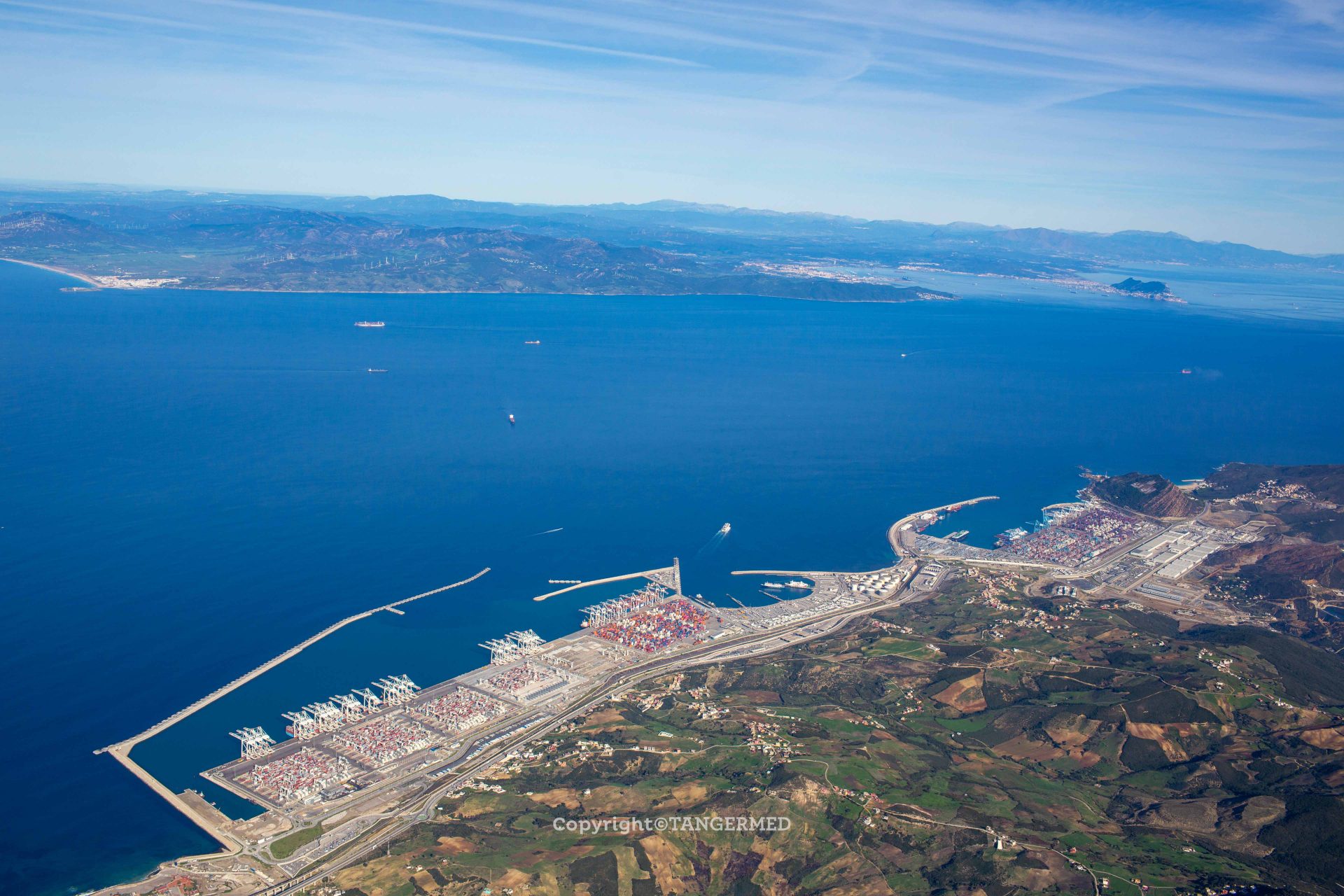
Take Morocco for example. The country produces negligible amounts of oil which is what most ships run on today. However it has enormous renewables and green fuels potential. It is also home to Tanger Med, one of the largest container ports in the world, so can become a green bunkering hub for vessels transiting through the Strait of Gibraltar together with all the economic benefits that entails.
Even for countries without competitive renewables and green fuel potential, they will benefit from a much more diverse and distributed set of trade partners rather than the handful of oil exporters which currently supply shipping fuels to the world.
The NZF is the solution we need. With enough political will a majority of IMO member states can make it become a reality this year.
Joe Williams,
CEO, GH2